
Why Local Food Rescue Fails Without Real-Time Coordination
Food rescue depends on timing, location, trust, and accountability. Real-time coordination can turn nearby surplus into reliable community access.
The Narrow Window Between Surplus and Need

Food rescue often fails before anyone has a chance to help. A restaurant may know at 8:30 p.m. that it has twenty safe, unsold meals, but that information is useful only if a nearby recipient can discover it, assess it, and arrange pickup before the food’s quality or safety window closes. Phone calls, spreadsheets, social media posts, and informal group chats rarely provide the speed or consistency required. By the time a food bank sees the message, transportation may be unavailable or the meals may no longer be suitable for distribution.
Timing is also connected to location. A surplus donation is not simply an inventory item; it is a time-sensitive local opportunity. Recipients need accurate quantities, pickup deadlines, preparation times, storage conditions, and dietary details in one place. Location-aware listings can show which food is realistically reachable, while alerts can help approved organizations respond immediately. Without this real-time layer, edible food remains invisible to the people who could use it, even when demand exists just a few blocks away.
Trust and Communication Are Operational Infrastructure

Distance alone does not make a food rescue exchange work. Recipients need confidence that a listing is current, the quantity is accurate, and the donor will be present at the agreed time. Donors need assurance that reservations are genuine and that sensitive contact information will be handled appropriately. When these expectations are unclear, organizations may spend scarce staff time chasing unavailable food, while donors may stop participating after repeated missed pickups. In local food systems, trust is not an optional feature; it determines whether coordination can be repeated.
A stronger model combines reservations, private messaging, verification, and clear handoff instructions. Donors can provide ingredients, allergens, preparation details, condition, and a defined pickup window. Recipients can ask questions, confirm transportation, and receive updates when circumstances change. Reporting tools and community moderation add another layer of safety. These features transform a vague offer into an accountable transaction, making food rescue more predictable for restaurants, retailers, shelters, food banks, and residents alike.
Building a Reliable Local Food Rescue Network
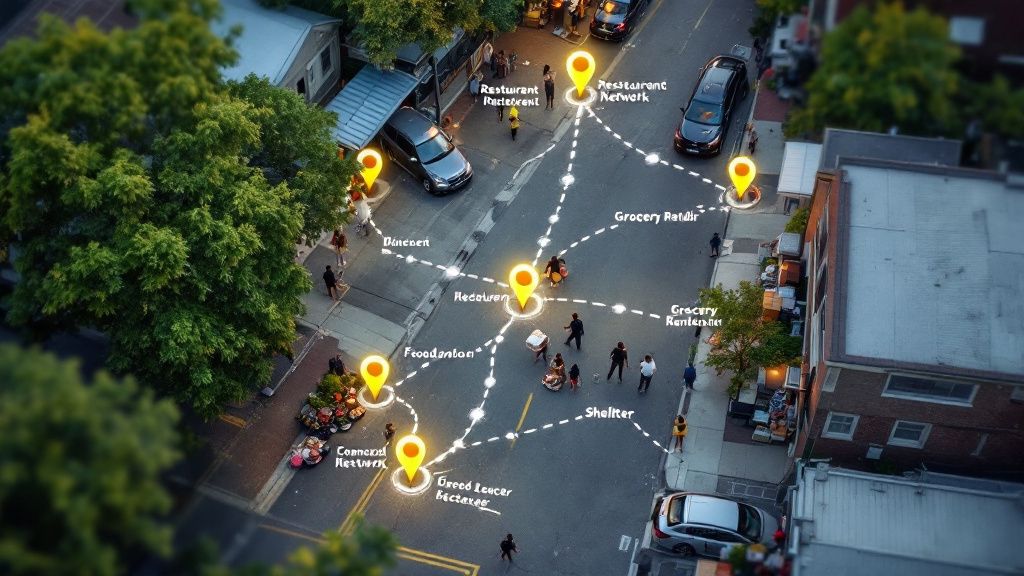
The solution is not merely a larger list of donations; it is dependable coordination from listing to completion. A useful platform connects surplus-food donors with nearby recipients using distance, dietary needs, availability, and urgency. Push notifications can surface opportunities quickly, while cross-platform workflows allow a restaurant employee, shelter coordinator, or resident to participate from the tools they already use. After collection, both sides can record completion, creating a shared record that improves accountability and reveals where the process needs attention.
This infrastructure can help local food rescue move from occasional goodwill to an organized service. Better data can show recurring surplus patterns, common pickup failures, and neighborhoods with unmet demand. Community groups and nonprofit distribution programs can then plan routes, staffing, and partnerships more effectively. The broader benefit is a more responsive local food system: edible food stays in circulation, avoidable waste declines, and people facing food insecurity gain faster access to trustworthy options. Real-time coordination does not solve every barrier, but it connects the right people at the moment action is still possible.